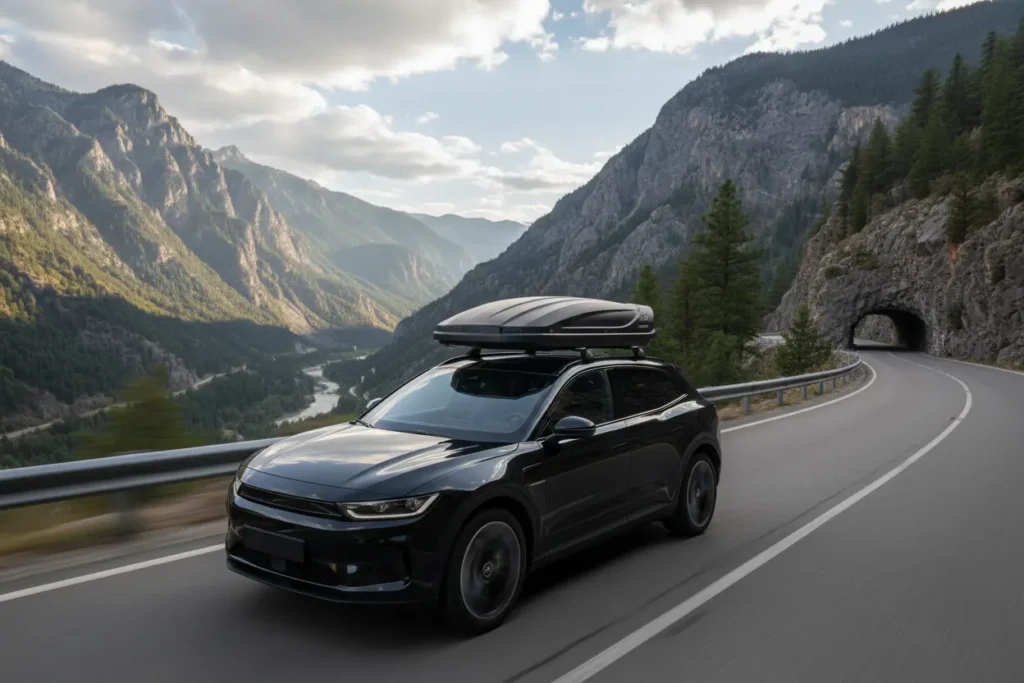
Are you an automobile enthusiast who loves hitting the open road, but dreads the thought of your gear getting soaked? We understand that feeling! As passionate adventurers, we know the importance of keeping your belongings safe and dry, no matter the weather. That’s why we’re diving deep into the world of waterproof roof rack cargo carriers.
Here at Car Accessory Spot, I’m thrilled to guide you through the best options available. We’ll explore how these essential accessories protect your valuables and enhance your travel experience, allowing you to focus on the adventure ahead.
Why You Need a Waterproof Cargo Carrier
We have all been there, hitting the open road with a car packed to the brim.
The excitement of a new adventure is often dampened by the lack of interior space.
That is exactly where a waterproof roof rack cargo carrier becomes your best friend.
We believe that every mile should be enjoyed without feeling cramped inside your own vehicle.
By moving your gear to the roof, you instantly regain valuable legroom for your family and pets.
But why specifically a waterproof model? Because the weather is famously unpredictable during long hauls.
Whether you are chasing sunrises or heading into the mountains, rain and snow are always possibilities.
A high-quality carrier ensures your sleeping bags, clothes, and electronics stay bone-dry throughout the journey.
Beyond just weather protection, these carriers offer an incredible layer of security and organization.
We love how they keep dirty camping gear or sandy beach toys away from your clean car seats.
It provides that essential peace of mind, knowing your investment is shielded from the elements.
For those of us who live for outdoor sports, it is the only way to travel.
You can pack your skis, tents, and trekking poles with total confidence and ease.
Ultimately, it is about freedom—the freedom to pack more and worry much less.
Types of Waterproof Roof Rack Cargo Carriers
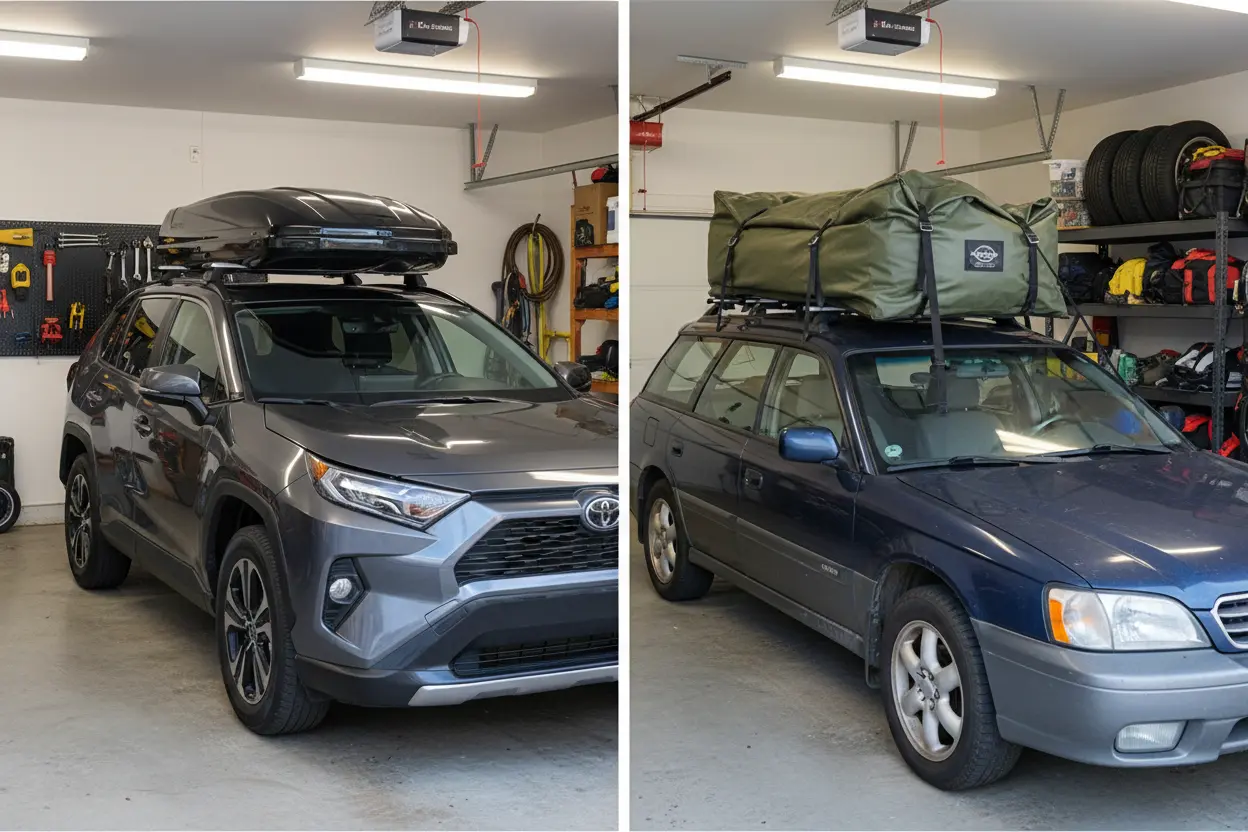
Choosing the right carrier depends heavily on your specific travel needs and vehicle type.
We generally categorize these lifesavers into three main types, each with unique benefits.
First, we have the hard shell cargo boxes, which are the gold standard for durability.
These are typically made from rugged ABS plastic or polycarbonate materials.
They offer the best aerodynamics and the highest level of security against potential theft.
However, they do require a permanent storage spot in your garage when not in use.
On the other hand, soft shell cargo bags have gained massive popularity recently.
We find these incredibly convenient because they are foldable and easy to store.
They are often made from heavy-duty PVC or canvas with waterproof coatings.
While they might not be as aerodynamic as boxes, they are much more budget-friendly.
Finally, you might consider roof baskets paired with dedicated waterproof liners.
This setup offers the most versatility for hauling oddly shaped gear like spare tires.
| Type | Best For | Durability | Storage Ease |
|---|---|---|---|
| Hard Shell | Security & Speed | High | Low |
| Soft Shell | Occasional Trips | Medium | High |
| Basket + Bag | Bulky Gear | High | Medium |
We always suggest weighing the frequency of your trips against your storage capacity at home.
If you travel often, the hard shell is a worthy long-term investment for your machine.
Key Features to Look for in a Carrier
When I am reviewing a carrier, I look for specific details that separate the good from the great.
The most critical factor is the material durability and the denier count of the fabric.
For soft bags, look for 500D to 700D PVC, which resists tears and UV rays.
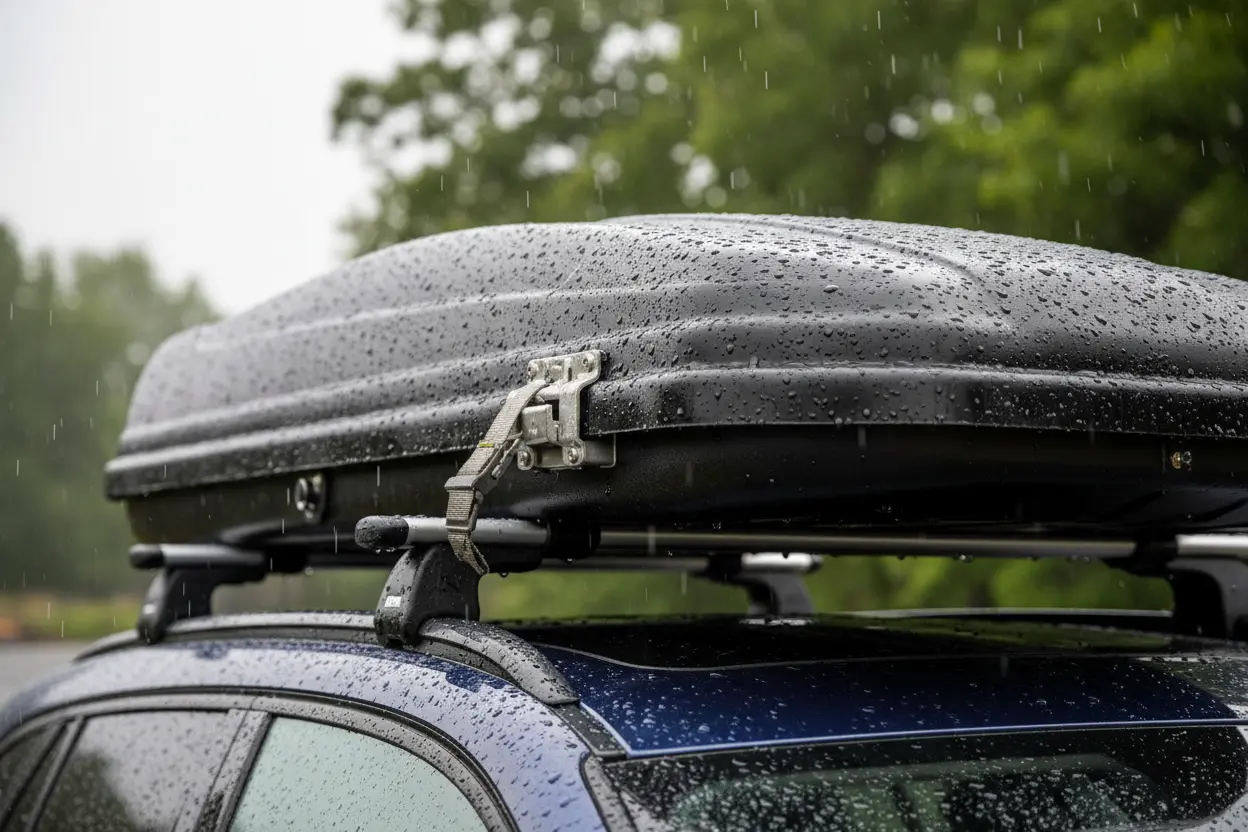
The sealing mechanism is where most “waterproof” claims are truly put to the test.
We always recommend carriers with heat-welded seams rather than traditional stitched seams.
Stitching creates tiny holes where moisture can seep in during heavy highway downpours.
Check for oversized zipper flaps that cover the teeth of the zipper completely.
These flaps should ideally be secured with heavy-duty Velcro or snap buttons.
The mounting system must be compatible with your specific roof rack or side rails.
We prefer tool-free installation systems that allow for quick mounting and removal.
Aerodynamic design is another feature that will save you money at the gas pump.
A sleek, low-profile shape reduces wind drag and annoying whistling noises at high speeds.
Lastly, never overlook security features like lockable latches or reinforced tie-down straps.
We want your gear to stay on the roof and exactly where you left it.
Top Waterproof Roof Rack Cargo Carrier Brands
In the world of car accessories, certain brands have earned our trust over decades.
Thule is perhaps the most iconic name, known for premium engineering and sleek designs.
Their hard shell boxes are virtually indestructible and feature incredibly intuitive mounting hardware.
If you are looking for innovation, Yakima is another heavy hitter we highly respect.
They focus on versatility and often create products that work across various outdoor niches.
For those on a tighter budget, brands like RoofPaw or AmazonBasics offer great value.
We have found that RoofPaw bags provide excellent waterproofing for the price point.
JEGS is a favorite among the racing and performance community for their rugged boxes.
Their products are often made in the USA and built to withstand extreme conditions.
When researching brands, we always pay close attention to user feedback regarding leakages.
A brand that stands behind its waterproof guarantee is always worth the extra investment.
We also look for companies that offer replacement parts, such as straps or keys.
Choosing a reputable brand ensures that your adventure doesn’t end in a soggy disaster.
Quality brands often include comprehensive warranties, giving you that extra layer of confidence.
Installation Guide for Your Cargo Carrier
Installing your carrier correctly is paramount for safety and fuel efficiency.
We always start by cleaning the roof of the vehicle to prevent scratches.
If you are using a hard shell box, you will need a second pair of hands.
Carefully lift the box and place it centrally on your crossbars.
Ensure the box is parallel to the sides of the car to minimize wind resistance.
Most modern boxes use “Power-Click” or U-bolt systems that slide into place.
Tighten these until you hear a click or feel significant resistance, but do not over-tighten.
For soft shell bags, start by laying the empty bag on the roof.
Position it so the zipper opening faces the rear of the vehicle, away from the wind.
This prevents the force of the wind from pushing water through the zipper line.
Fill the bag while it is already on the roof to avoid heavy lifting.
Once packed, pull the compression straps tight to eliminate any loose fabric.
Loose fabric flaps in the wind, which creates noise and can damage the material.
Always do a “shake test” before you pull out of the driveway.
If the carrier moves, your straps or mounts are not tight enough.
Maximizing Space and Packing Tips
Packing a cargo carrier is an art form that we have perfected over many trips.
The golden rule is to place heavier items at the bottom and centered over the crossbars.
This keeps the vehicle’s center of gravity as low as possible for better handling.
We suggest using soft duffel bags inside the carrier rather than hard suitcases.
Duffels are malleable and allow you to fill every nook and cranny of the carrier.
Always place lighter, bulkier items like sleeping bags or pillows toward the front.
This helps maintain the aerodynamic shape of soft bags and prevents sagging.
If you are using a bag, try to fill it completely so it remains taut.
A half-empty bag will catch the wind like a parachute, hurting your gas mileage.
We also recommend wrapping ultra-sensitive items in plastic bags inside the carrier.
Even with the best waterproof tech, condensation can sometimes occur in extreme cold.
Use internal tie-down straps to prevent gear from shifting during sharp turns.
Shifting weight can be dangerous and may cause the carrier to become unbalanced.
Lastly, keep a small step stool in your trunk for easier access to the roof.
Maintenance and Care for Longevity
To ensure your carrier remains waterproof for years, you must maintain it.
We recommend washing your carrier after every major road trip.
Road salt, bird droppings, and sap can degrade the waterproof coating over time.
Use mild soap and lukewarm water; avoid harsh chemicals or high-pressure washers.
Pay special attention to the zippers, which are the most common failure point.
We suggest applying a silicone-based zipper lubricant once a season.
This keeps the action smooth and prevents the metal from corroding or seizing.
When storing a soft bag, ensure it is completely dry before folding it.
Storing a damp bag will lead to mold and mildew, which ruins the fabric.
For hard boxes, check the mounting hardware for any signs of rust or wear.
Apply a light coat of protective wax to the exterior of hard shells to fight UV fading.
Store your carrier in a cool, dry place away from direct sunlight.
UV rays are the silent enemy of plastics and synthetic fabrics alike.
Regular inspections of the straps and buckles are also vital for safety.
If you see fraying, replace the straps immediately to avoid a highway catastrophe.
Common Mistakes to Avoid with Cargo Carriers
Even experienced travelers make avoidable mistakes when using roof storage.
The most dangerous error is overloading the carrier beyond its weight capacity.
Always check both the carrier’s limit and your vehicle’s roof load rating.
Exceeding these limits can damage your roof or affect your car’s braking.
We often see drivers forget about the increased height of their vehicle.
Low-clearance bridges, garage doors, and drive-thrus become genuine hazards.
We suggest putting a sticky note on your dashboard as a constant reminder.
Another mistake is neglecting to check the straps during the journey.
Stop after the first 20 miles to ensure everything has settled and remains tight.
Do not assume that “water-resistant” means “waterproof”; know the difference.
Cheap bags without seam sealing will eventually leak during a heavy storm.
Never leave an empty soft bag on the roof while driving at high speeds.
The excessive flapping can tear the material and create a massive distraction.
Finally, avoid blocking your antennas or sunroof operation if possible.
By avoiding these pitfalls, you ensure a safe, dry, and stress-free adventure.
Your Next Adventure Awaits, Protected!
Choosing the right waterproof roof rack cargo carrier is more than just buying an accessory; it’s an investment in worry-free adventures and the protection of your most valued gear. We hope this guide has empowered you to make an informed decision, ensuring your journeys are always dry, secure, and enjoyable.
Now, we want to hear from you! What’s your favorite cargo carrier, or what adventures are you planning? Share your thoughts and experiences in the comments below, and let’s keep the conversation rolling!
FAQ – Common Questions About Waterproof Roof Rack Cargo Carriers
We’ve gathered the most frequent questions our readers ask to help you choose and maintain the perfect waterproof roof rack cargo carrier for your next road trip.
1. Is a hard shell or a soft bag better for keeping my gear dry?
While both options provide excellent protection, hard shell carriers offer superior aerodynamics and security for long hauls. However, we often recommend soft-shell waterproof roof rack cargo carriers for those who need a flexible storage solution that is easy to fold and store when not in use.
2. Can I use a cargo carrier if my car doesn’t have a roof rack?
Most hard shell carriers require crossbars, but many soft-shell waterproof roof rack cargo carriers are designed with straps that can loop through the car’s door frames. We always suggest checking the specific mounting requirements of the model you choose to ensure a safe and secure fit.
3. How fast can I safely drive with a waterproof roof rack cargo carrier installed?
We generally recommend staying below 70-80 mph, though you should always follow the manufacturer’s specific speed ratings. Driving at a steady, moderate pace helps maintain the stability of your waterproof roof rack cargo carrier and improves your overall fuel efficiency.
4. Are these carriers 100% waterproof in heavy rain?
High-quality carriers feature heat-sealed seams and protective zipper flaps to keep moisture out during heavy downpours. For absolute peace of mind with sensitive electronics or clothing, we suggest using internal dry bags as an extra layer of protection inside your waterproof roof rack cargo carrier.
5. How should I store my cargo carrier when I’m not using it?
Before storing, we recommend cleaning it with mild soap and ensuring it is completely dry to prevent mold or mildew. Store your waterproof roof rack cargo carrier in a cool, dry place away from direct sunlight to preserve the integrity of the materials and seals.