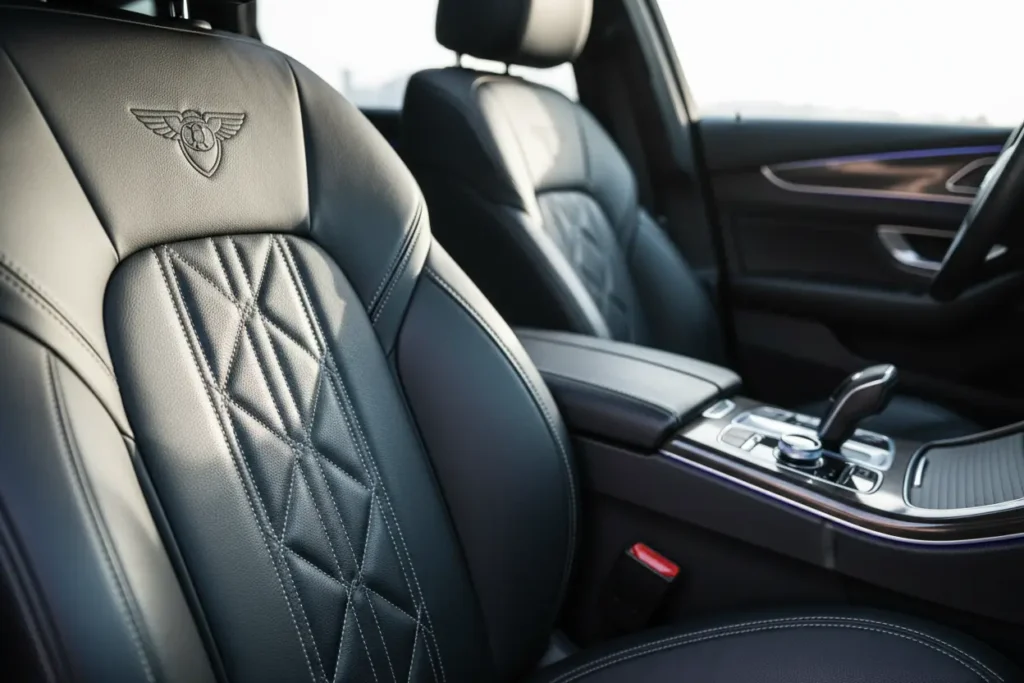
As entusiastas automotivos, nós sabemos o quanto o interior do seu carro é importante. Não é apenas um espaço funcional, mas uma extensão da sua personalidade e um santuário na estrada. É por isso que a escolha dos acessórios certos, como as capas de assento, pode fazer uma diferença enorme na estética e na proteção do seu veículo.
Neste artigo, eu mergulho fundo no mundo das capas de assento de couro para carros. Nós vamos explorar os benefícios, os diferentes tipos e, o mais importante, fornecer uma análise detalhada para ajudar você a fazer a melhor escolha para o seu companheiro de quatro rodas. Prepare-se para elevar o estilo e a durabilidade do seu interior!
Why Choose Leather Car Seat Covers?
When we think about a luxury vehicle, the first thing that often comes to mind is that rich, unmistakable scent of leather.
It is more than just a material; it is a statement of quality and sophistication that transforms any cabin instantly.
We believe that upgrading to leather seat covers is one of the best investments you can make for your vehicle’s resale value.
Beyond the looks, leather provides a superior tactile experience that standard cloth seats simply cannot match during long road trips.
If you have children or pets, you know that spills are not a matter of “if,” but “when” they will happen.
Leather acts as a formidable barrier, allowing you to wipe away coffee or juice before it seeps into the foam.
Unlike fabric, which traps dust and allergens, leather is hypoallergenic and incredibly easy to sanitize with a quick wipe.
We also have to talk about UV protection, which is a silent killer for original car upholstery in sunny climates.
High-quality leather covers shield your original seats from fading and cracking caused by intense afternoon sun exposure.
Durability is another massive factor; a good set of leather covers can easily last the lifetime of your car.
They resist the typical “wear and tear” seen on entry points where drivers slide in and out of the cabin.
In terms of comfort, modern leather covers are designed to be breathable, preventing that “sticky” feeling during hot summer days.
By choosing leather, you are choosing a timeless aesthetic that makes every commute feel like a premium experience.
Types of Leather Car Seat Covers Explained
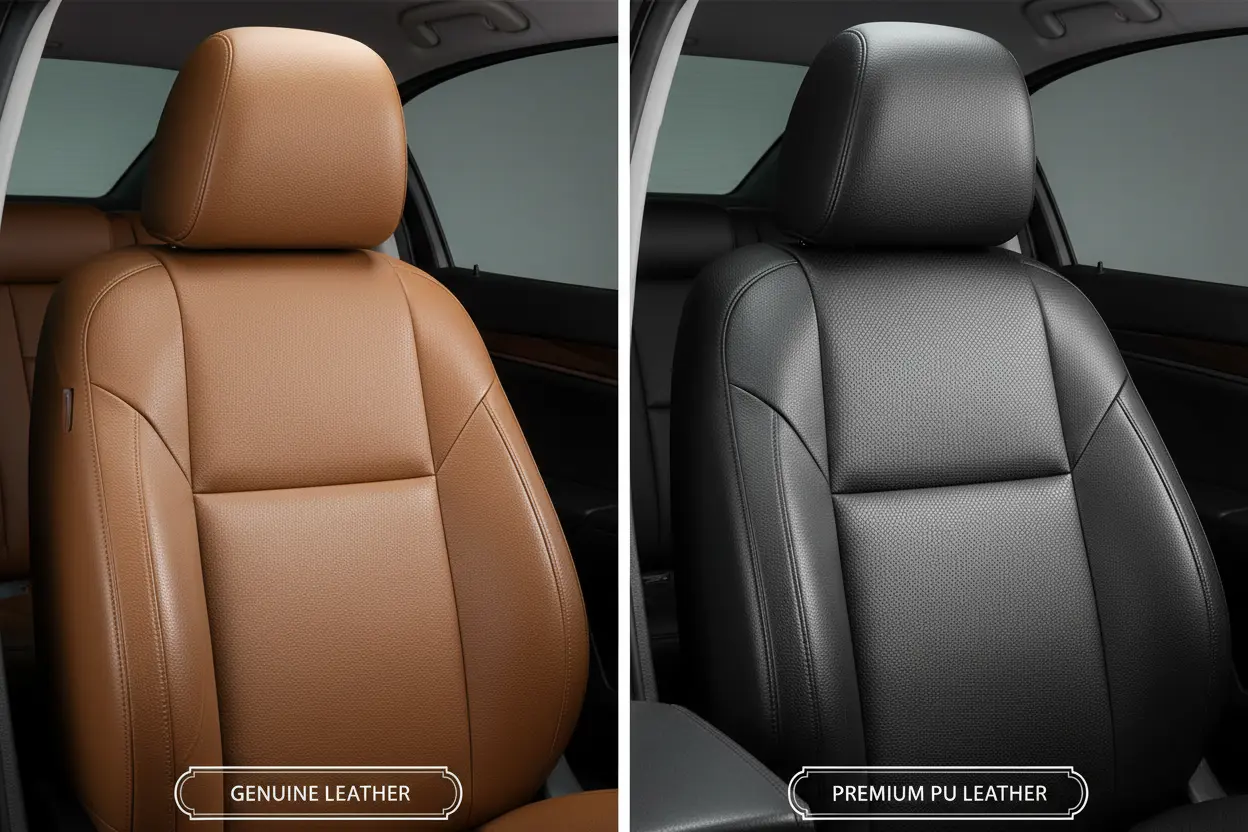
Not all leather is created equal, and understanding the nuances between materials is vital for your satisfaction.
We often see buyers confused by terms like genuine, PU, and synthetic, so let’s break them down clearly.
Genuine Leather is the gold standard, sourced from real hides and offering the most natural breathability and texture.
It develops a beautiful patina over time, meaning it actually looks better as it ages and adapts to your body.
However, it requires the most maintenance and comes with a premium price tag that reflects its high-end origin.
PU Leather (Polyurethane) is a fantastic “middle ground” that has become incredibly popular in the US market recently.
It is a vegan-friendly alternative that mimics the look of real leather while offering superior water resistance.
We love PU leather for daily drivers because it is tough, affordable, and very easy to clean with basic soap.
Synthetic or Faux Leather covers are often the most budget-friendly, made from various vinyl or plastic composites.
While they offer great stain resistance, they can sometimes feel “plastic-like” and may retain more heat than real leather.
To help you decide, we have created this quick comparison table based on our testing and user feedback:
| Feature | Genuine Leather | PU Leather | Synthetic/Vinyl |
|---|---|---|---|
| Durability | Very High | High | Medium |
| Feel/Softness | Extremely Soft | Soft/Smooth | Firm/Smooth |
| Maintenance | High (Conditioning) | Low (Wipe down) | Very Low |
| Price Point | $$$$ | $$ | $ |
| Breathability | Excellent | Moderate | Low |
Choosing the right type depends on your lifestyle and how much time you want to spend on upkeep.
If you want the absolute best feel, go for genuine; if you want durability on a budget, PU leather is king.
Installation and Care for Your Leather Covers
Installing your new covers is a project that requires patience and a bit of elbow grease for the best results.
We always recommend leaving the covers in the warm sun for 30 minutes before you begin the installation process.
This makes the material more pliable and easier to stretch over the contours of your existing seats.
A snug fit is the difference between a professional look and something that looks like a cheap “slip-on” cover.
Start from the top and work your way down, ensuring the seams align perfectly with the edges of the seat.
Don’t rush the “tucking” process; use the provided tools to push the fabric deep into the crevices of the seat.
Once installed, maintaining that “showroom shine” is surprisingly simple if you follow a consistent routine.
We suggest vacuuming the seams once a week to remove abrasive dirt that can scratch the leather surface.
For cleaning, always use a pH-balanced leather cleaner and a soft microfiber towel to avoid stripping the finish.
If you have genuine leather, applying a high-quality conditioner every six months is essential to prevent drying.
Conditioning keeps the fibers supple and prevents the cracking often seen in neglected car interiors.
For PU leather, a simple solution of mild soap and water is usually enough to keep them looking brand new.
Avoid using harsh chemicals or bleach, as these will degrade the protective coating and cause premature peeling.
By spending just ten minutes a month on care, you can extend the lifespan of your covers by several years.
Top Leather Car Seat Covers Review & Buying Guide
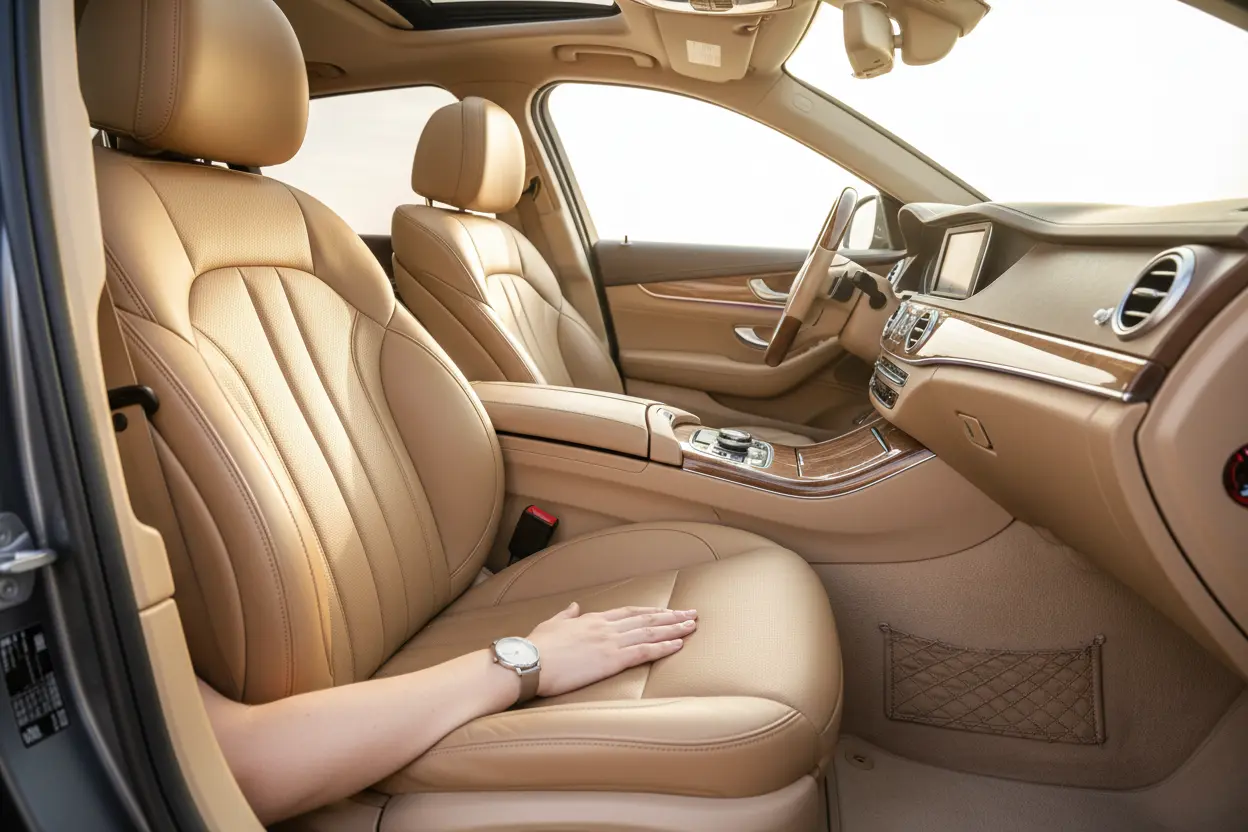
Selecting the right brand is crucial, as the market is flooded with subpar options that don’t fit well.
We have put several top-rated brands to the test to see which ones truly deliver on their promises.
Oasis Auto stands out for their “custom-fit” feel at a universal price point, offering incredible thickness and padding.
Their covers are known for a very high-quality finish that mimics original factory upholstery almost perfectly.
Pros: Exceptional durability, thick foam backing, and a wide variety of color options to match any car.
Cons: The installation can be quite challenging and may require two people for the rear bench.
Luckyman Club is another heavy hitter, specifically praised for their safety-first design and airbag compatibility.
We appreciate that their covers leave side seams open or use special stitching to ensure side airbags deploy correctly.
Pros: Great fit for trucks and SUVs, very breathable PU leather, and excellent customer support.
Cons: The “new car” smell can be quite strong for the first few days after installation.
EKR Custom Covers are the go-to for those who want a true tailored fit specifically for their vehicle model.
Unlike universal covers, these are cut to your exact seat dimensions, including headrests and armrest covers.
Pros: Virtually indistinguishable from real leather seats, perfect fit, and high-grade materials.
Cons: These are significantly more expensive and take longer to ship as they are often made to order.
When you are ready to buy, keep these three critical factors in mind to avoid a return:
- Airbag Compatibility: Never sacrifice safety for style; ensure the covers are “Airbag Ready.”
- Rear Seat Functionality: Check if the covers allow for 60/40 split folding or middle armrest access.
- Material Weight: Heavier covers usually indicate better padding and a longer lifespan.
We always suggest checking user reviews with photos to see how the covers look in your specific car model.
A little research goes a long way in ensuring your ride gets the upgrade it truly deserves.
Elevate Your Ride’s Interior!
Escolher as capas de assento de couro certas é um investimento que recompensa em estilo, conforto e proteção. Nós esperamos que este guia completo tenha iluminado o caminho para você encontrar a opção perfeita que não só complementa o seu veículo, mas também reflete o seu gosto impecável.
Eu adoraria saber a sua opinião! Compartilhe nos comentários abaixo qual capa de assento de couro chamou mais a sua atenção ou se você tem alguma dica valiosa para outros entusiastas. Não se esqueça de compartilhar este artigo com amigos que também buscam aprimorar seus carros!
FAQ – Common Questions About Leather Car Seat Covers
We’ve compiled the most frequent questions from our community to help you navigate our leather car seat covers review and find the perfect fit for your ride.
1. Are leather car seat covers worth the investment for my daily driver?
Absolutely. We believe they are a smart investment because they provide superior protection against spills and UV damage while significantly boosting your car’s resale value and aesthetic appeal.
2. What is the main difference between genuine leather and PU leather covers?
Genuine leather offers unmatched breathability and a premium feel, whereas PU leather is more budget-friendly and water-resistant. In our experience, choosing between them depends on whether you prioritize long-term luxury or easy maintenance.
3. Can I install these seat covers myself, or do I need a professional?
Most options featured in our leather car seat covers review are designed for straightforward DIY installation using straps and clips. While achieving a perfectly snug fit takes a bit of patience, we find that most owners can complete the job in about an hour.
4. Will leather seat covers interfere with my car’s side airbags?
Safety is our top priority, so we always recommend choosing airbag-compatible covers. These models feature specialized stitching designed to break away instantly if the side airbags deploy, ensuring your safety remains uncompromised.
5. How do I keep my new leather covers from cracking over time?
To keep them looking brand new, we suggest a quick wipe-down with a damp cloth weekly and applying a quality leather conditioner every six months. This simple routine maintains the material’s flexibility and prevents damage from sun exposure.