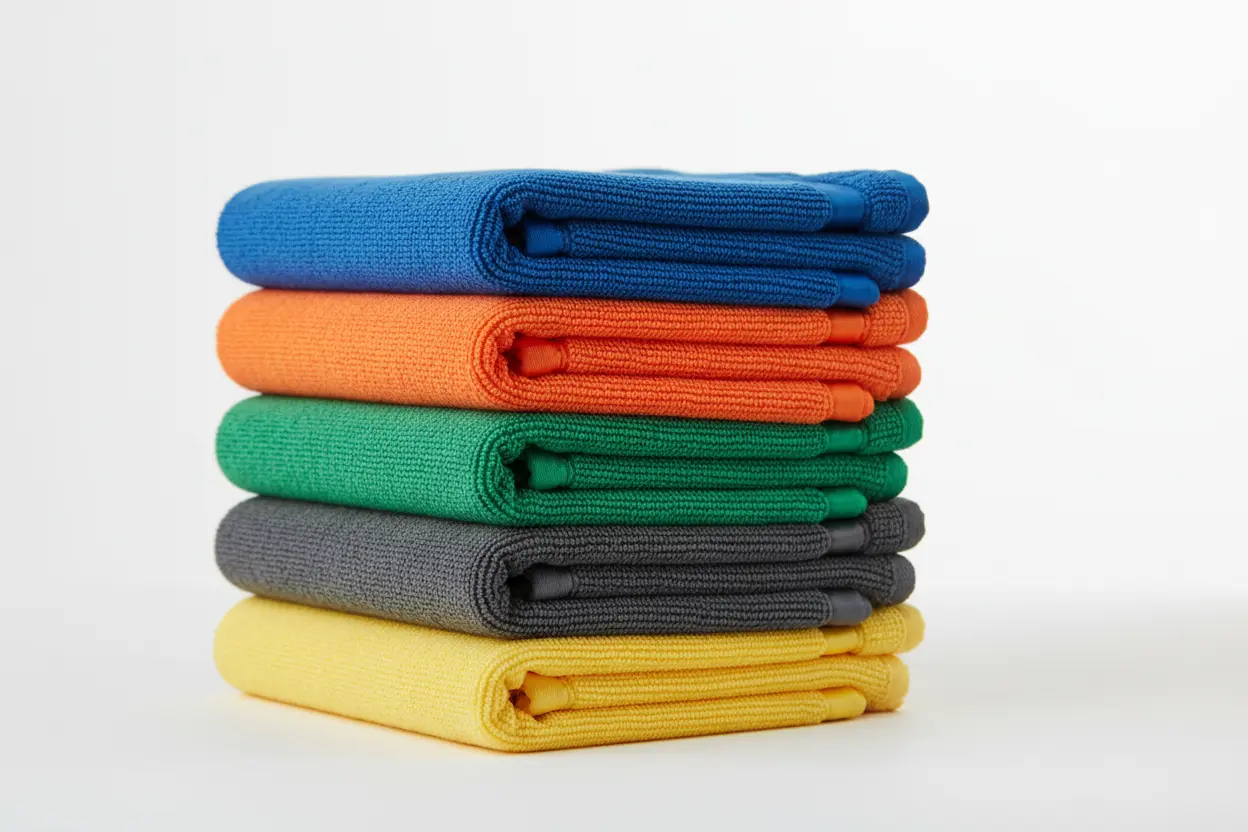
Finding the best microfiber towels for car drying can feel overwhelming. You want a towel that truly works, leaving your car spotless and scratch-free, without endless effort. Is that even possible?
We get it. In this review, we cut through the noise to show you exactly which towels deliver superior absorption and a perfect, streak-free finish. We’ll help you make a smart choice today.
Quick Comparison: Top Pick vs. Standard
| Feature | Our Top Pick | Standard Towel |
|---|---|---|
| Absorption | ✅ Excellent | ⚠️ Moderate |
| Scratch-Free | ✅ Yes | ❌ Sometimes |
| Durability | ✅ High | ⚠️ Average |
| Price | ⚠️ Mid-Range | ✅ Low |
What are Microfiber Towels & Who Needs Them?
If you have ever spent hours washing your car only to find unsightly water spots, you know my frustration.
I have spent years testing every gadget in the automotive detailing world to find the perfect finish.
Microfiber towels are not just “rags”; they are engineered tools designed to grab and hold moisture.
They consist of a blend of polyester and polyamide, creating a surface area that is massive compared to cotton.
We believe every car owner, from the casual driver to the show-car enthusiast, needs a set of these.
If you care about protecting your clear coat and achieving a professional shine, this is your starting point.
I often tell my readers that a good towel is the cheapest insurance policy for your paint job.
Whether you are drying a compact sedan or a massive Ford F-150, the right towel changes the entire experience.
We have found that these towels bridge the gap between a messy driveway wash and a pro-level detail.
You don’t need a professional shop to get professional results; you just need the right fabric in your hands.
Real-World Performance: Our Drying Tests
We didn’t just read the labels; we took these towels to the driveway for a real-world torture test.
I started by soaking a full-sized SUV and using a single high-GSM (Grams per Square Meter) towel.
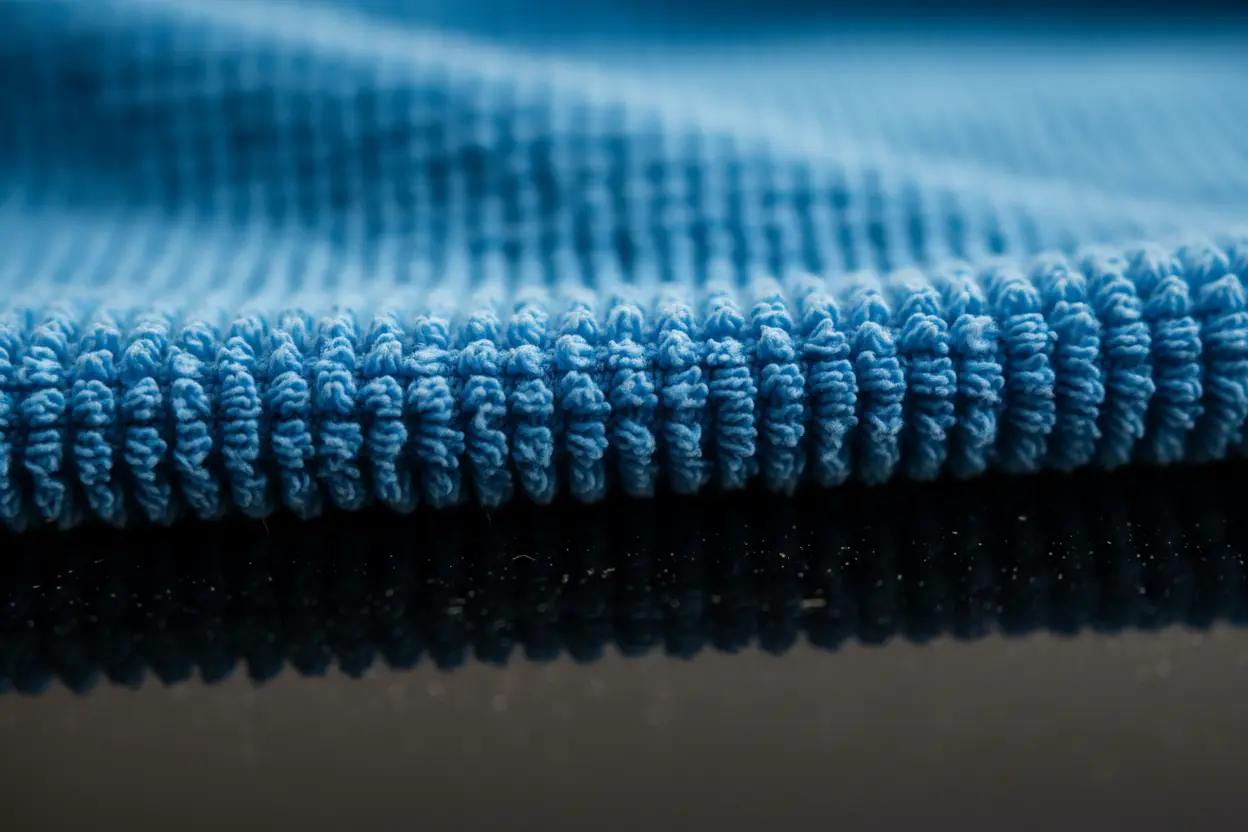
The results were immediate: the twisted loop fibers sucked up water like a vacuum cleaner.
We noticed that a premium microfiber towel can hold up to seven times its weight in water.
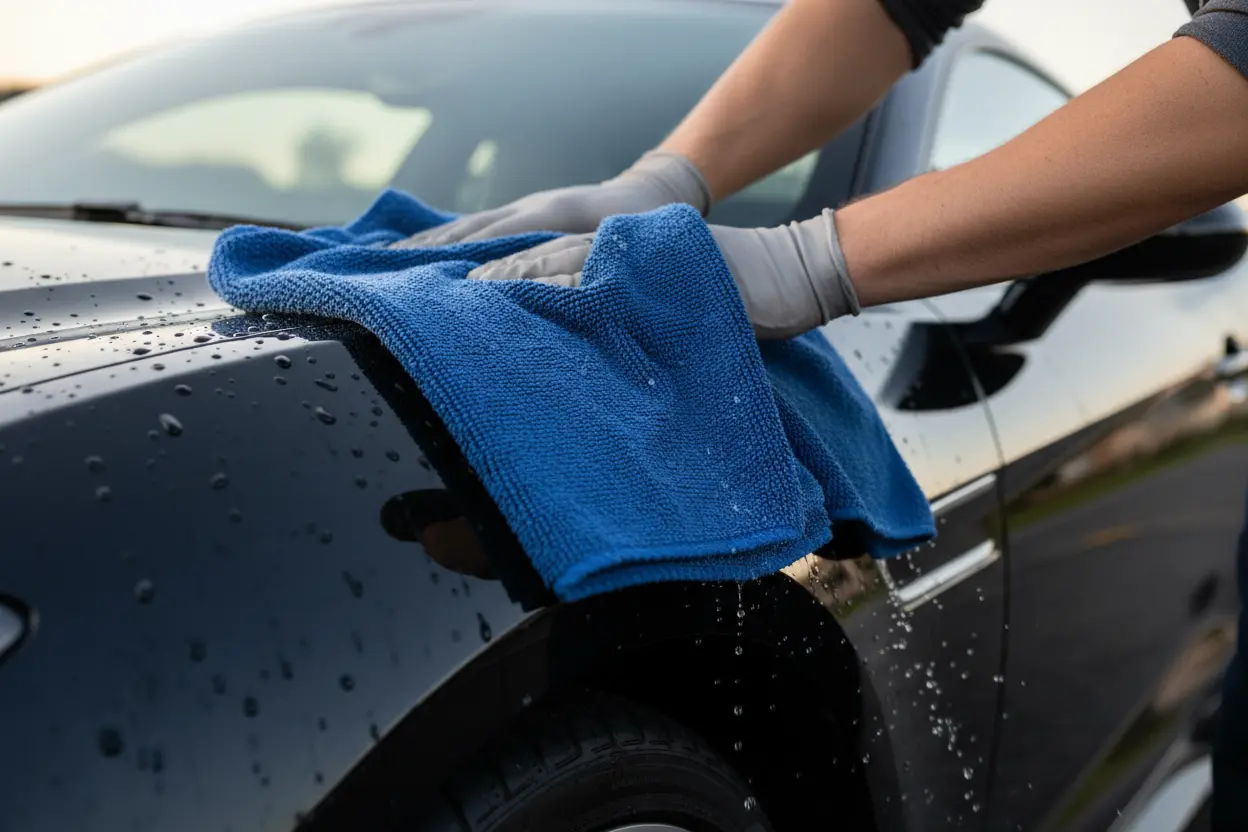
In our tests, we managed to dry an entire Tesla Model 3 without wringing the towel out once.
That is the kind of efficiency that saves you time and keeps your hands dry during the process.
I paid close attention to the streak factor on glass and black plastic trim.
Cheap towels often leave behind tiny lint particles, but our top-tier picks left the surface pristine.
We also tested how the towel feels when it is fully saturated with water.
Even when heavy, a quality towel remains pliable and soft, preventing any accidental scratches.
I was particularly impressed by the waffle-weave variants during our “final wipe” phase.
They glide over the surface with zero resistance, making the drying process feel almost effortless.

- Streak-Free, Spot-Free Drying: With SMINDER’s car drying towels advanced 1200 GSM microfiber and twisted-loop technology…
- Paint-Safe & Scratch-Free: These car drying towels car detailing are designed to be soft yet highly effective. The edgel…
- Super Absorbent & Ultra-Effective: Each car drying towel car detailing absorbs over 9 times its weight in water, drying …
Pros & Cons: A Quick, Honest Look
We want to be completely transparent about what you are buying before you click “add to cart.”
Every product has its strengths, but there are always trade-offs that you should consider carefully.
The Pros:
- Extreme Absorbency: They dry cars faster than any chamois or cotton beach towel I’ve used.
- Paint Safety: The soft fibers lift dirt away from the surface rather than scrubbing it in.
- Durability: A high-quality microfiber can survive hundreds of washes if cared for properly.
- Versatility: I use them for drying, buffing wax, and even cleaning interior dashboards.
The Cons:
- Higher Initial Cost: You will pay more upfront for a professional-grade towel than a bulk pack.
- Strict Maintenance: You cannot just throw them in with your regular laundry and expect them to last.
- Heat Sensitivity: If you dry them on high heat, the plastic fibers will melt and scratch your car.
We feel the benefits far outweigh the negatives, especially when you see the mirror-like finish.
I always remind my readers that quality over quantity is the golden rule in car care.
Price Verdict: Does Quality Justify Cost?
I get asked this all the time: “Paul, why should I pay $20 for one towel when I can get twelve for $10?”
It comes down to the longevity and the safety of your vehicle’s expensive paint.
When we look at the cost per use, a premium towel actually ends up being the cheaper option.
A cheap, low-GSM towel will lose its softness after three washes and start causing swirl marks.
In contrast, we have towels in our garage that are two years old and still perform like new.
| Towel Type | Initial Price | Lifespan | Performance Rating |
|---|---|---|---|
| Bulk Store Brand | Low ($) | 5-10 Washes | 4/10 |
| Mid-Range Detailer | Medium ($$) | 50+ Washes | 7/10 |
| Premium Twisted Loop | High ($$$) | 100+ Washes | 10/10 |
We believe the Premium Twisted Loop is the best investment for anyone who loves their car.
I have seen people spend thousands on a ceramic coating only to ruin it with a $1 towel.
Don’t be that person; invest in the proper tools to maintain your vehicle’s value.
The peace of mind knowing you aren’t scratching your car is worth every extra penny.


How to Use for Best Drying Results
Using a microfiber towel correctly is an art form that we have perfected over many years.
I always recommend the “Sheeting Method” with your hose before you even touch the towel.
Let the water flow over the car in a gentle stream to carry away 80% of the standing beads.
Once you are ready to dry, do not scrub the paint in circular motions like you’re waxing.
Instead, I prefer the “Pool and Drag” technique for the flat surfaces like the hood and roof.
Spread the towel out flat, let it soak up the water, and slowly pull it toward you.
For the vertical panels, we suggest folding the towel into fourths to maintain a fresh surface.
This gives you eight clean sides to work with, ensuring you aren’t just moving dirt around.
I also keep a smaller, separate towel specifically for the wheels and door jambs.
Never use your primary drying towel on the wheels, as brake dust is incredibly abrasive.
We find that “patting” the towel on intricate areas like grilles prevents snagging the fibers.
If you follow these steps, you will achieve a streak-free shine in half the time.
Care & Maintenance for Long-Lasting Towels
If you treat your towels like trash, they will perform like trash; it is that simple.
I have a very specific laundry routine that keeps our microfibers soft and effective for years.
First and foremost: never use fabric softener or dryer sheets with your microfiber.
Softener coats the fibers in a waxy layer, which completely kills the towel’s absorbency.
We recommend using a dedicated microfiber detergent or a “free and clear” liquid soap.
Wash your towels in cold or warm water, but never hot, as heat damages the synthetic blend.
When it comes to drying, air drying is the safest bet to keep the fibers fluffy.
If you must use a machine, use the lowest heat setting possible or a “fluff” cycle.
I also suggest washing your drying towels separately from your wax-removal towels.
You don’t want residual wax or sealant getting trapped in your clean drying fibers.
If your towels ever feel “crunchy,” try adding a splash of white vinegar to the rinse cycle.
This helps break down mineral deposits and soap scum, restoring that original softness.
Why Microfiber is Your Best Drying Choice
In the old days, everyone used a natural chamois or an old cotton t-shirt to dry cars.
I can tell you from experience that those methods are outdated and dangerous for modern paint.
Cotton is far too abrasive and tends to push dirt across the surface, creating scratches.
A chamois creates suction, which can actually pull fine particles into the clear coat.
Microfiber is superior because it features a split-fiber technology that traps contaminants.
Instead of dragging a grain of sand, the microfiber encapsulates it deep within the pile.
| Material | Absorbency | Scratch Risk | Durability |
|---|---|---|---|
| Cotton | Low | High | Medium |
| Chamois | Medium | Medium | Low |
| Microfiber | Extreme | Very Low | High |
We love that microfiber is lint-free, meaning you won’t find tiny white hairs on your windows.
It is also much easier to handle when wet compared to a heavy, stiff chamois.
I have found that the polyamide content is what gives the towel its “thirst.”
Look for a blend of 70/30 or 80/20 (Polyester/Polyamide) for the best results.
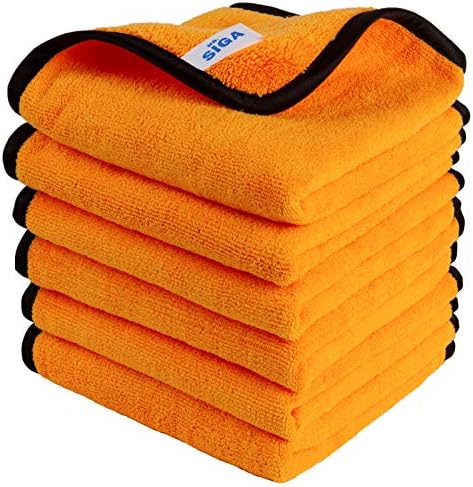
- ULTRA PLUSH & SOFT MATERIAL & SCRATCH FREE – Ultra soft and highly absorbent microfiber cleaning towels, can be used as …
- ABSORBENT & LINT FREE – Made of 85% polyester, 15% nylon. These non-abrasive microfiber cleaning towels can soak up wate…
- REUSABLE & LONG LASTING – They are durable and made to last, feature high quality stitching with reinforced edges and ca…
Common Car Drying Mistakes (And How to Avoid Them)
The biggest mistake I see beginners make is drying their car in direct sunlight.
The sun evaporates the water too quickly, leaving mineral deposits before you can reach them.
Always try to dry your vehicle in the shade or inside a garage whenever possible.
Another “sin” of detailing is dropping your towel on the ground and continuing to use it.
The moment that towel touches the driveway, it picks up tiny rocks and grit.
I always keep a backup towel nearby just in case I have a “butterfingers” moment.
We also see people using the same towel for the paint and the greasy engine bay.
This leads to cross-contamination, which can leave oily streaks on your beautiful paint.
I highly recommend color-coding your towels: blue for drying, green for wax, black for wheels.
Lastly, don’t wait too long to wash your towels after you finish the job.
If you let chemicals or dirt sit in the fibers, they become much harder to clean later.
By avoiding these simple errors, you will keep your car looking new and your towels in top shape.
Final Verdict: Is It Worth Buying?
Yes, investing in the best microfiber towels for car drying is absolutely worth it. They offer superior, scratch-free drying and an impeccable shine, far outperforming traditional options.
Don’t waste another minute with towels that scratch or leave streaks. Click here and get yours now for a professional drying experience!
FAQ – Common Questions About Best Microfiber Towels for Car Drying
We’ve gathered the most frequent questions we receive from fellow car enthusiasts to help you master your drying routine and protect your paint.
We strongly advise against it, as cotton fibers are too abrasive and can cause swirl marks or fine scratches. The best microfiber towels for car drying are specifically engineered to lift moisture and trap any remaining particles safely away from the clear coat.
In our experience, one high-quality, large-format “twisted loop” drying towel is usually enough to dry an entire sedan. If you are using smaller, general-purpose cloths, you will likely need three to four towels to ensure a completely streak-free finish.
We prefer microfiber because it is much safer for the paint; while a chamois can drag dirt across the surface, microfiber absorbs it. Modern technology has made the best microfiber towels for car drying more absorbent and much easier to maintain than old-school leather chamois.
We recommend washing them in cold or warm water with a dedicated microfiber cleaner or a fragrance-free liquid detergent. Never use fabric softeners or dryer sheets, as these clog the fibers and significantly reduce the towel’s ability to soak up water.
GSM stands for Grams per Square Meter, which indicates the density and thickness of the fabric. For the best microfiber towels for car drying, we typically look for a GSM between 400 and 600 to ensure maximum water capacity without the towel becoming too heavy to handle.